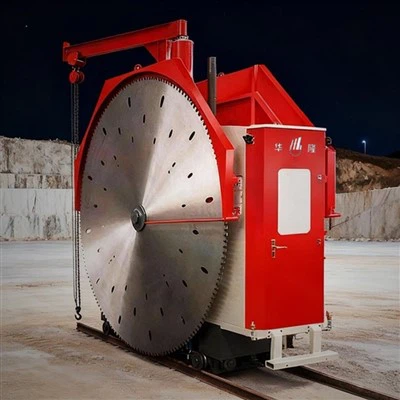
As high-precision, heavy-duty equipment, the efficiency of stone processing machinery depends not only on hardware performance but also, and perhaps more importantly, on the user's operating skills and experience. In complex processing scenarios, mastering scientific and reasonable operating methods can effectively improve finished product quality, extend equipment life, and reduce failure rates.
First, pre-start preparation and inspection are crucial. Before starting, ensure that all moving parts are free of obstructions, the lubrication system has normal oil levels and pressures, and the cooling and dust removal devices are functioning properly. Visually inspect easily worn parts such as saw blades, grinding discs, and cutting tools to ensure there are no cracks, misalignments, or loose clamping. Simultaneously, verify the processing program and process parameters to prevent overload or processing deviations due to incorrect settings. Sufficient preheating and idling help the systems reach a stable state, reducing initial impact damage to the machinery.
During processing, the matching of feed rate and depth of cut is critical. For different rock types and hardnesses, parameters should be selected appropriately: For excessively hard or brittle materials, low-speed, shallow cutting is recommended to prevent edge chipping and tool wear; for tougher stones, the feed rate can be appropriately increased to improve efficiency. During continuous processing, pay attention to equipment vibration, noise, and temperature changes. If any abnormalities occur, stop the machine immediately for troubleshooting to prevent small problems from escalating into serious malfunctions.
When multiple processes are connected, proper workpiece positioning and clamping are essential. Utilize the machine's built-in positioning references or auxiliary tooling to ensure that plates and irregularly shaped parts do not shift or warp during processing. For machining curved surfaces or complex contours, processes can be performed in stages and areas, with timely checks of intermediate dimensions and adjustments to the path and compensation values to ensure consistent overall accuracy.
The use and replacement of cutting tools and grinding wheels also require skill. Replacement cycles should be determined based on the processing volume and wear condition. Avoid using dulled or deformed tools, as this increases mechanical load and affects surface quality. When replacing tools, clean the mounting surfaces and clamping mechanisms to ensure coaxiality and clamping force meet specifications and prevent wobbling during high-speed operation.
In daily operations, attention should also be paid to data recording and analysis. Summarizing the processing parameters and effects under different materials and process conditions can provide a reference for subsequent similar tasks, gradually forming an optimized solution adapted to the equipment and production environment. At the same time, keeping the operating table and surrounding environment clean reduces the interference of dust and debris on the equipment and control system.
In summary, the skills for using stone processing machinery cover preparation, parameter matching, process monitoring, tooling positioning, and consumable management. Only by combining standardized operation with experienced judgment can efficient, precise, and economical processing goals be achieved while ensuring safety, providing strong support for improving the quality of stone products and enhancing industrial competitiveness.