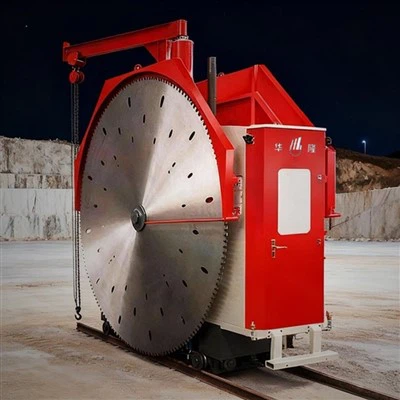
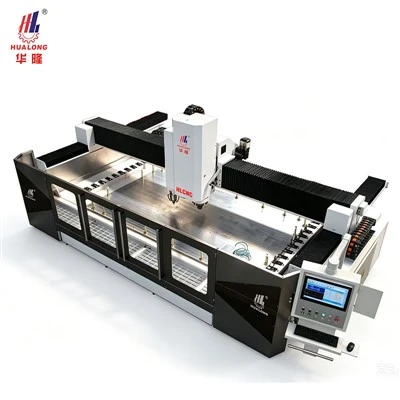
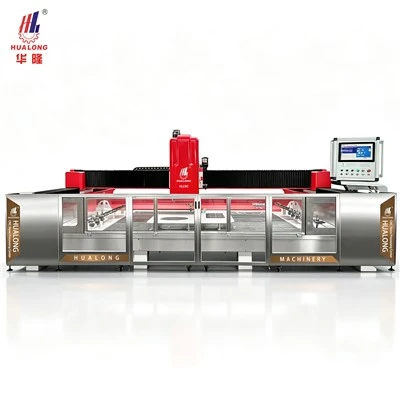
tone edge polishing machines are core processing equipment for deep processing of countertops, marble and granite. A single unit supports a factory's production capacity for years, and the manufacturer's strength directly determines processing precision, failure rates and after-sales costs. Many processing plants only compare prices and end up purchasing OEM assembled machines, which lead to issues such as edge chipping, machine vibration, declining precision and hard-to-source spare parts. These problems delay order delivery and cause stone material waste. This guide teaches you how to accurately screen reliable stone edge polishing machine manufacturers from five major dimensions: demand matching, manufacturer hard strength, equipment quality, after-sales service system and on-site factory inspection.
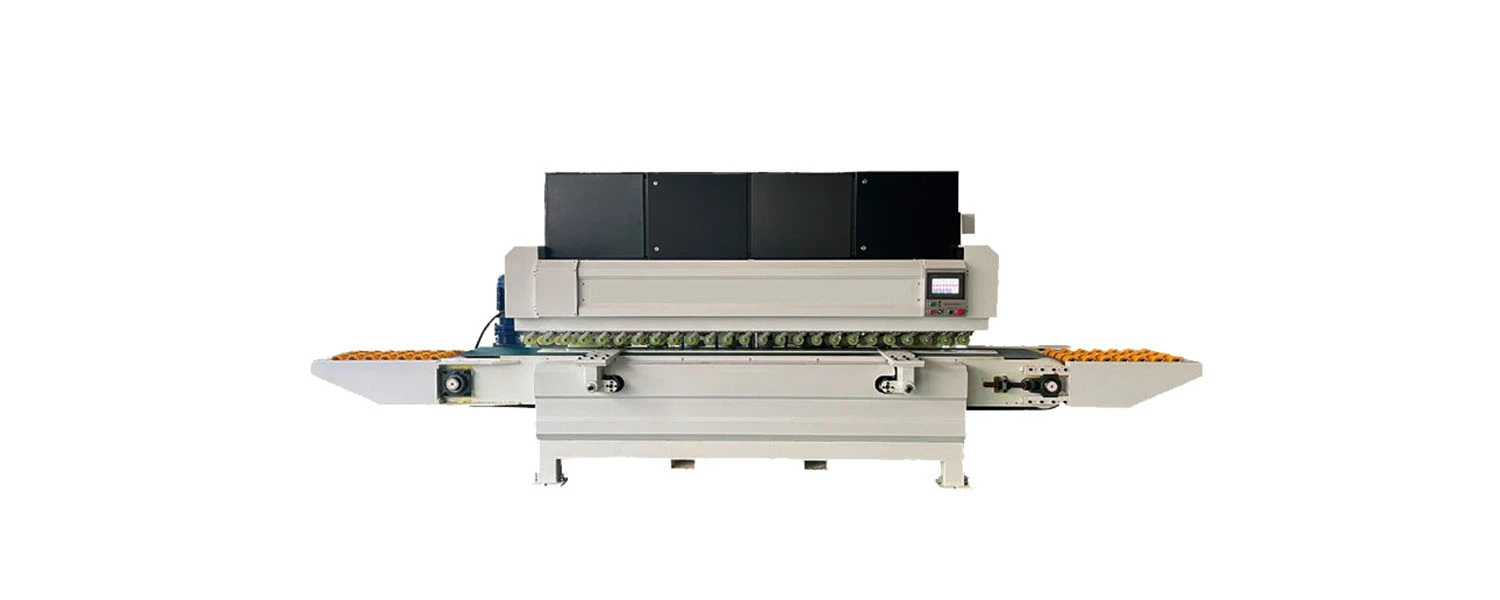
1. Clarify Your Own Production Requirements
Price inquiry should not be your first step when selecting a manufacturer. You need to define your actual production scenarios first to filter out suppliers with mismatched product lines, avoiding either overcapacity or insufficient output of the purchased equipment.
Types of Stones to Process
For factories mainly processing marble and soft stones: standard multi-head straight edge polishing machines are acceptable.
For manufacturers focusing on granite and quartz stone: select models with matched motor power and robust frame construction. Poor frame quality will easily cause deformation and vibration during long-term operation, resulting in uneven polishing surfaces.
Daily Output & Automation Needs
Small workshops processing dozens of slabs per day: semi-automatic single-head edge polishers suffice.
Medium-volume production lines: 8-head edge polishing machines are recommended.
Large countertop factories with bulk engineering orders: prioritize manufacturers supplying CNC special-shape fully automatic edge polishing machines with CE certification.
Edge Profiling Requirements
If you only need simple straight edges and 45° chamfers: manufacturers specializing in universal straight edge machines will meet your needs.
If Roman edges, arcs, European special profiles or under-mount sink cutouts are required: verify whether the supplier has independent R&D capability for CNC contour edge polishers, as well as the capacity to customize forming molds and processing programs.
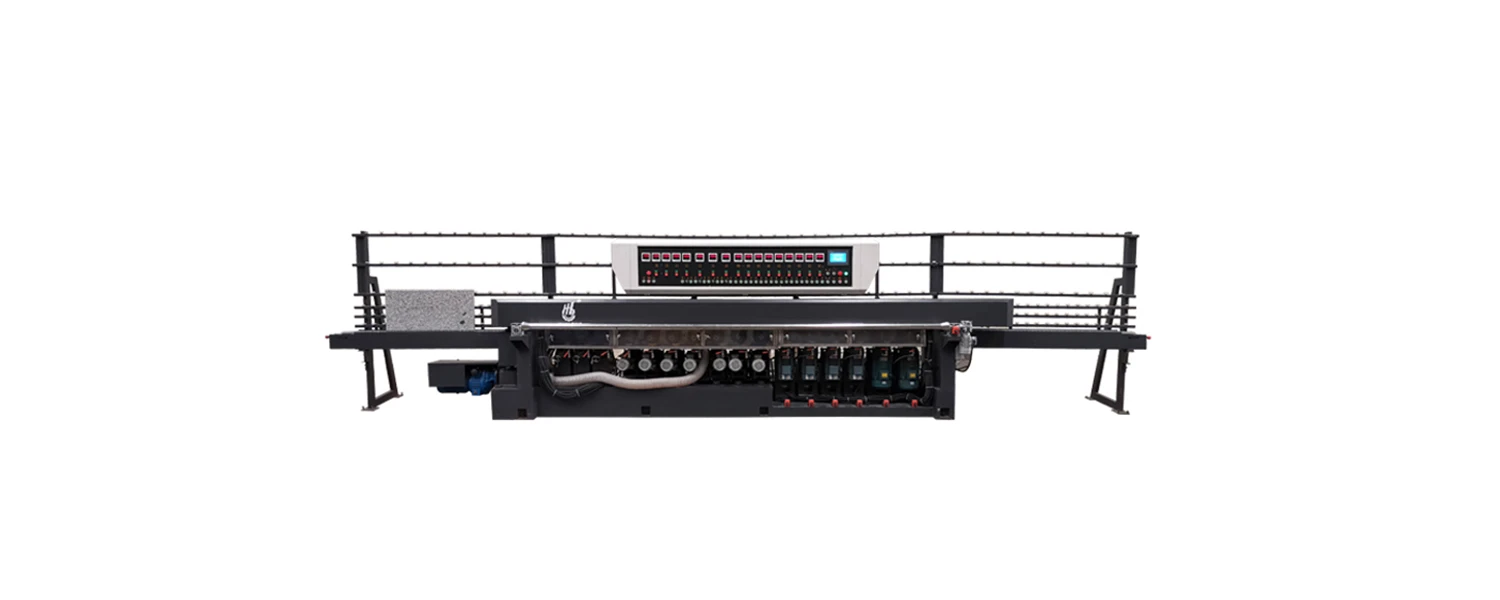
2. Verify the Manufacturer's Core Strength
Three types of suppliers exist in the market: original manufacturers with independent production and R&D, small OEM assembly workshops, and second-hand equipment resellers. Their service and product quality vary drastically. Four criteria help you identify reliable original manufacturers quickly:
Factory Premises & Full In-house Production Capacity
Credible manufacturers own standardized workshops covering casting, frame machining, sheet metal fabrication, assembly and quality inspection. All machine frames and beds are processed in-house instead of being assembled from outsourced loose components.
Warning: Suppliers without independent casting workshops that outsource all frames produce equipment with insufficient structural rigidity.
Qualifications & R&D Capability
Mandatory certifications include business license, ISO9001 quality management system certificate and EU CE export certification. Manufacturers with long-term foreign trade experience can provide cross-border after-sales solutions that comply with overseas customs clearance standards.
For soft power, check patents and R&D teams: reliable suppliers hold utility patents for machine frame structures and CNC control systems, and employ full-time mechanical and electrical engineers to optimize equipment parameters based on slab thickness and stone hardness.
Verified Real Customer Cases
Request on-site workshop videos from existing clients in the same industry. Give priority to manufacturers with over ten years of experience in stone machinery manufacturing.
III. Inspect Equipment Workmanship & Quality Control (Determines Long-term Processing Costs)
All devices are labeled as stone edge polishers, yet price gaps of tens of thousands stem from raw materials and QC standards. Mandatory machine testing before placing orders:
Machine Frame Structure
Heavy-duty integral cast iron beds are the top choice, paired with thickened steel plates and reinforced crossbeams to eliminate vibration at high grinding speeds. Inferior machines are welded with thin sheet metal, leading to severe shaking during operation, wavy polishing surfaces and drastically higher stone scrap rates.
Core Component Configuration
Premium manufacturers equip machines with well-known brand servo motors, frequency conversion systems, solid chrome-plated guide columns and heavy-duty waterproof bearings. Low-cost units adopt generic no-brand motors with poor waterproof performance; motors frequently burn out in the wet stone processing environment, incurring high maintenance expenses. For electric control systems, prioritize independently developed touchscreen PLC systems featuring simple operation, one-click parameter saving and automatic fault alerts. Outdated push-button machines require complex tool adjustment and demand high operational skills from workers.
Quality Control & Pre-delivery Testing Procedures
Formal manufacturers run every edge polisher through 48 consecutive hours of no-load and load testing before shipment, inspecting flatness, polishing gloss, noise level and operational stability. Small assembly workshops simply power on machines briefly after assembly before delivery, resulting in frequent debugging and breakdowns after clients receive the equipment.
Customization Capability
Qualified suppliers support adjustable grinding head quantities upon request, plus optional add-ons such as automatic feeding systems, water circulation filtration and dust removal devices. Special-shape edge polishers allow customized profiling programs. Manufacturers only selling fixed standard models cannot cater to personalized engineering orders.
3. On-site Factory Audit & Live Machine Test – The Final Critical Screening Step
Online communication only provides documents; on-site inspection helps you avoid all hidden pitfalls. Complete three key tasks during factory visits:
-Tour the entire production workshop covering casting, machining, assembly and QC processes to confirm fully in-house production without stacks of outsourced semi-finished parts.
-Bring your frequently processed marble, granite or sintered stone slabs for live grinding tests. Intuitively check polishing gloss, edge flatness, edge chipping conditions, machine vibration and processing speed.
-Confirm all contract clauses clearly: delivery lead time, warranty period, after-sales response time, spare parts pricing and customization revision terms. Never rely on verbal promises; all agreements must be written into the sales contract.
4. Summary of Procurement Pitfalls: Two Costly Mistakes to Avoid
-Placing orders solely based on low prices: Low-cost machines feature thin frames and generic components. Annual maintenance fees plus stone waste losses will far exceed the initial price difference, leading to higher overall operating costs.
-Trusting empty commitments from small workshops: Small assemblers lack technical support and dedicated after-sales teams, and will shift blame when equipment malfunctions occur.
Conclusion
When selecting a stone edge polishing machine manufacturer, focus on production capacity, equipment stability and after-sales guarantees. Opt for original manufacturers with years of stone machinery R&D and production experience and abundant real customer cases. Match equipment models to your stone types and production output, and conduct on-site factory audits. Investing in stable, high-quality equipment improves finished product yield, reduces downtime losses and generates sustainable production profits for your stone processing plant.