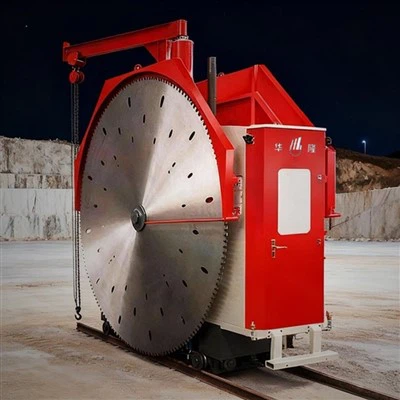
Stone processing machinery involves high-speed rotation, heavy-duty cutting, and the coordinated operation of multiple auxiliary systems. Any oversight can lead to equipment malfunctions, processing defects, or even safety accidents. Therefore, a series of precautions must be strictly followed in actual use to ensure the safety and stability of personnel, equipment, and processing quality.
First, a comprehensive inspection should be conducted before starting the equipment. It must be confirmed that all moving parts are free of obstructions, the lubrication system has normal oil levels and pressures, the cooling and dust removal devices are functioning well, and the electrical wiring is free of aging, damage, or loosening. Actuating components such as saw blades, grinding discs, and cutting tools should be securely installed without cracks or runout, and the coaxiality of the clamping mechanism should meet requirements. For equipment that has been out of service for a long time or has been relocated, a no-load test run should be performed to observe vibration, noise, and temperature rise, ensuring that all systems reach a stable state before formal processing.
During operation, process parameters should be set appropriately and strictly followed. Select appropriate feed rate, depth of cut, and cooling flow rate based on the hardness, thickness, and texture of the stone to avoid premature tool wear, chipped edges, or equipment overload caused by improper parameters. During continuous operation, closely monitor equipment status; immediately stop the machine for inspection if abnormal vibration, noise, or temperature rise is detected, and resume production only after eliminating potential hazards. When multiple processes are connected, ensure accurate workpiece positioning and secure clamping to prevent displacement or ejection during processing, which could cause injury.
The replacement of tools and consumable parts must follow standardized procedures. Before replacement, disconnect the power supply and lock the energy source; disassemble only after the spindle has completely stopped. When installing new tools, clean the mating surfaces and check the clamping force; perform dynamic balancing if necessary to prevent runout during high-speed operation, which could affect accuracy and safety. Properly label and dispose of old parts to avoid mixing them and causing accidents.
The management of electrical and safety protection devices is crucial. Limit switches, emergency stop buttons, and interlocking devices must not be arbitrarily modified or short-circuited to ensure reliable function. Keep the electrical control cabinet dry and clean to prevent dust and moisture from affecting insulation performance. Operators should wear necessary protective equipment, such as goggles, dust masks, and noise-canceling earmuffs, and comply with no-smoking and fire prevention regulations in the work area, paying particular attention to slip prevention and electric shock prevention in wet processing environments.
Daily maintenance and record keeping are equally important. Cleaning, lubrication, and tightening operations should be performed according to the maintenance plan, and inspection and maintenance details should be recorded in detail to trace and analyze equipment condition changes. Early warning thresholds should be established for critical components, allowing for advance scheduling of maintenance or replacement to reduce the probability of sudden failures.
In general, precautions for stone processing machinery cover pre-operation inspections, process control, tool management, safety protection, and maintenance records. Only by integrating standardized awareness and meticulous operation throughout the entire production process can efficient, precise, and stable processing goals be achieved while ensuring safety, providing solid support for the sustainable development of the stone industry.