Hey there, folks! I'm here as a waterjet supplier to tackle one of the most frequently asked questions: What is the maximum cutting speed of a waterjet? Well, let's dive right in and break it down.
First off, understand that the maximum cutting speed of a waterjet isn't a one - size - fits - all answer. It depends on a bunch of factors. The type of material you're cutting is a huge deal. For soft materials like rubber or foam, waterjets can go super fast. You're looking at cutting speeds that can reach up to several feet per minute. These materials are like a walk in the park for waterjets because they're easy to break through.
On the flip side, when you're dealing with hard materials such as granite or stainless steel, it's a whole different ballgame. Granite, for instance, is extremely tough. The abrasive particles mixed in the waterjet stream have to work hard to chip away at it. Cutting speeds for granite might drop to a few inches per minute. This is because the waterjet has to exert more force and make more passes to get a clean cut. If you try to push the speed too high, you'll end up with a rough, uneven cut, and that's not what anyone wants.
The thickness of the material also plays a major role in determining the cutting speed. Think about it like this: cutting through a thin sheet of aluminum is a lot quicker than cutting through a thick block of the same metal. A thin sheet might be cut at a relatively high speed, while a thick piece could take much longer. The waterjet has to penetrate through more material, so it has to work harder and slower to ensure a proper cut.
Now, let's talk about the power of the waterjet system. More powerful systems generally allow for higher cutting speeds. A high - pressure waterjet pump can generate a stronger stream of water, which means it can cut through materials faster. However, there's a limit to how much power can be effectively used. If the power is too high, it might cause other issues like excessive wear on the cutting nozzle or poor cut quality.
Another factor that affects the cutting speed is the type of abrasive used. Different abrasives have different cutting capabilities. Some abrasives are better at cutting through hard materials, while others work well for softer ones. The right choice of abrasive can significantly improve the cutting speed. For example, garnet sand is a popular abrasive because it's relatively inexpensive and works well for a wide range of materials.


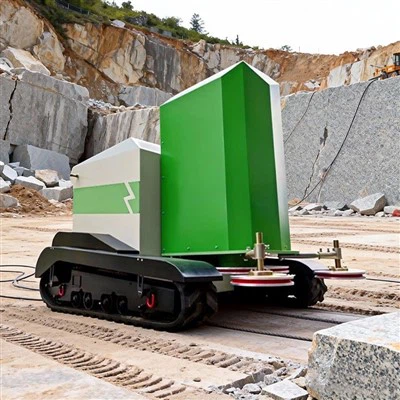
When it comes to our waterjet products, we've got some great options. Our Water Jet Saw is designed to give you a good balance between speed and precision. It's perfect for a variety of materials, from soft plastics to medium - hardness metals. If you're in the market for cutting granite, our Granite Water Cutting Machine is specifically engineered to handle this tough material. It may not cut as fast as when dealing with softer stuff, but it can provide a clean, accurate cut. And if you need more flexibility in your cutting operations, our 3 Axis Waterjet is the way to go. It allows for more complex cuts and can still maintain a decent cutting speed.
So, what's the bottom line on the maximum cutting speed? Well, in ideal conditions with a soft material and a high - powered waterjet system, you could potentially see cutting speeds of over 100 inches per minute. But again, this is in the best - case scenario. In real - world applications, the speed will vary based on all those factors I mentioned earlier.
When you're considering a waterjet for your project, it's important to understand these limitations and possibilities. Don't just focus on getting the fastest speed. You also need to think about the quality of the cut, the cost of the operation, and the long - term durability of the waterjet system.
If you're interested in our waterjet products and want to learn more about how they can fit your specific needs, we'd love to hear from you. Whether you're a small - scale workshop or a large manufacturing plant, we've got solutions for you. Don't hesitate to reach out and start a conversation about your waterjet requirements. We can help you figure out the best setup for your project, taking into account the cutting speed, material, and budget.
In conclusion, the maximum cutting speed of a waterjet is a complex topic that depends on multiple factors. But as a waterjet supplier, we've got the knowledge and the products to help you get the most out of your cutting operations. So, get in touch, and let's see how we can make your waterjet cutting projects a success.
References
- Waterjet Cutting Handbook
- Industry reports on waterjet technology advancements