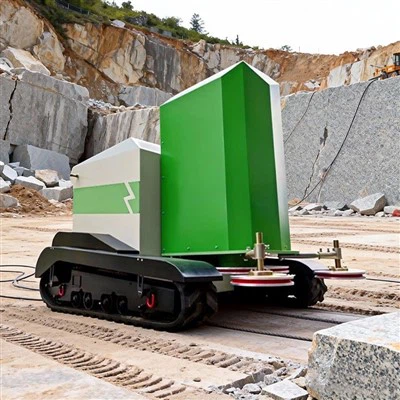
In the world of industrial machining, water jet cutting is a technology that has gained significant popularity due to its precision, versatility, and the ability to cut a wide range of materials. At the heart of this technology lies water jet cutting sand, a crucial consumable that plays a pivotal role in the cutting process. As a supplier of Water Jet Cutting Sand, I have witnessed firsthand the impact of this abrasive material on the mechanical properties of the cut material. In this blog post, I will delve into the science behind water jet cutting sand and explore how it affects the mechanical properties of various materials.
Understanding Water Jet Cutting
Water jet cutting is a process that uses a high - pressure stream of water mixed with abrasive particles, such as water jet cutting sand, to cut through materials. The water is pressurized to extremely high levels, often up to 60,000 pounds per square inch (psi) or more. When this high - pressure water is combined with abrasive sand and directed at a workpiece, it can cut through materials like metal, stone, glass, and composites with remarkable precision.
The water jet cutting sand acts as the cutting agent. As the high - velocity water stream carries the sand particles towards the material, the sand abrades the surface of the workpiece, gradually wearing it away and creating a cut. Different types of sand have different characteristics, and these characteristics can have a profound impact on the cutting process and the mechanical properties of the cut material.
Types of Water Jet Cutting Sand
There are several types of sand that are commonly used in water jet cutting, each with its own unique properties. Garnet sand is one of the most popular choices. It is a hard, angular mineral that provides excellent cutting performance. Garnet has a high density, which allows it to maintain its velocity in the water stream and effectively abrade the material. Another type of sand is olivine sand. It is a less expensive alternative to garnet and has a more rounded shape. Olivine sand is less abrasive than garnet but can still be used for cutting softer materials.
Impact on Mechanical Properties
Surface Roughness
One of the most noticeable effects of water jet cutting sand on the mechanical properties of the cut material is the surface roughness. The type and size of the sand particles play a crucial role in determining the surface finish of the cut. Coarser sand particles will generally result in a rougher surface finish, while finer particles will produce a smoother surface. This surface roughness can affect the material's appearance, as well as its performance in certain applications. For example, in applications where a tight seal is required, a smoother surface finish may be essential to prevent leakage.
When using a coarser Water Jet Cutting Sand, the impact of the larger particles creates deeper grooves and irregularities on the surface of the material. This can increase the material's surface area, which may be beneficial in some cases, such as when adhesion is required. However, it can also lead to stress concentrations at the surface, which may reduce the material's fatigue life.
Material Hardness and Brittleness
The abrasive action of the water jet cutting sand can also influence the hardness and brittleness of the cut material. When the sand particles abrade the surface of the material, they can cause work - hardening. Work - hardening occurs when the material is deformed under pressure, and the internal structure of the material is altered, increasing its hardness. This can be advantageous in some applications, such as when the material needs to be more resistant to wear and tear.
On the other hand, in brittle materials such as glass and some ceramics, the cutting process can introduce micro - cracks. These micro - cracks can reduce the material's strength and increase its brittleness. The choice of water jet cutting sand can affect the severity of these micro - cracks. A more aggressive sand with higher hardness and angularity may cause more micro - cracks, while a softer sand may result in a less damaged surface.
Residual Stress
Residual stress is another important mechanical property that can be influenced by water jet cutting sand. During the cutting process, the high - velocity impact of the sand particles on the material can create compressive or tensile stresses in the material. Compressive stresses can be beneficial as they can increase the material's resistance to fatigue and cracking. However, excessive tensile stresses can be detrimental, as they can lead to premature failure of the material.
The type of sand, its size, and the cutting parameters all play a role in determining the level of residual stress in the cut material. For example, using a coarser sand at a high cutting speed may generate higher residual stresses compared to using a finer sand at a lower speed.
Case Studies
Cutting Metal
In the case of metal cutting, the choice of water jet cutting sand can significantly affect the mechanical properties of the cut. For stainless steel, using garnet sand with a medium grit size can provide a good balance between cutting speed and surface finish. The angular shape of the garnet particles effectively abrades the stainless steel, while the medium grit size ensures a relatively smooth surface. However, if the sand is too coarse, it may cause excessive work - hardening, which can make subsequent machining operations more difficult.
Cutting Stone
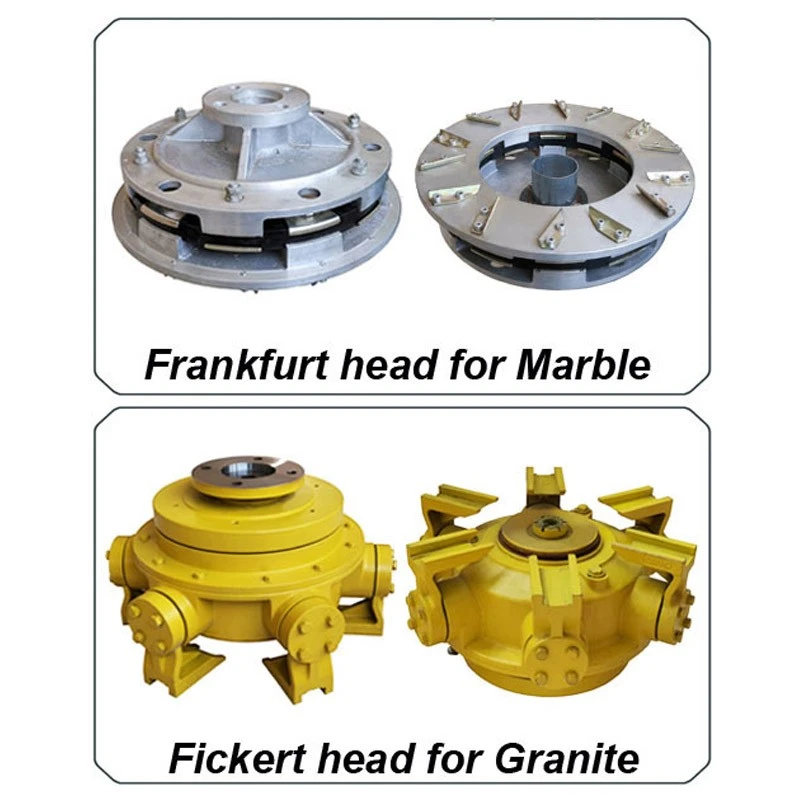
When cutting stone materials such as granite, the type of sand can also have a big impact. Granite Polishing Head can work in conjunction with water jet cutting in the stone - processing industry. Garnet sand is often preferred for granite cutting because of its hardness and cutting efficiency. The abrasive action of the garnet can cut through the hard granite, but it can also leave a rough surface. To achieve a better finish, a finer grit sand or subsequent polishing with a Granite Polishing Head may be required.
Cutting Composites
Composites are a challenging material to cut due to their heterogeneous nature. Water jet cutting sand can be used to cut composites, but it is crucial to choose the right type and size of sand. Diamond Wire is also an alternative for cutting composites, and you can find more details about it on this Diamond Wire page. Coarser sand may cause delamination or fiber pull - out in composites, which can significantly reduce the material's strength. A finer sand is generally preferred to minimize damage to the composite structure.
Choosing the Right Water Jet Cutting Sand
Selecting the appropriate water jet cutting sand is crucial for achieving the desired mechanical properties of the cut material. Factors to consider include the type of material being cut, the required cutting speed, the desired surface finish, and the cost. For hard materials like metals and stones, a harder and more abrasive sand like garnet is often the best choice. For softer materials or when a smoother finish is required, a finer or less abrasive sand may be more suitable.
Conclusion
Water jet cutting sand is a vital component in the water jet cutting process, and its impact on the mechanical properties of the cut material cannot be overstated. From surface roughness to material hardness, brittleness, and residual stress, the choice of sand can significantly affect the quality and performance of the cut material. As a supplier of Water Jet Cutting Sand, I understand the importance of providing high - quality sand that meets the specific needs of different applications.
If you are involved in the water jet cutting industry and are looking for the right water jet cutting sand for your projects, we invite you to contact us for procurement discussions. Our team of experts can help you select the most suitable sand based on your requirements and ensure that you achieve the best results in your cutting operations.

References
- Abrams, M. (2018). Waterjet Technology. Industrial Press Inc.
- Kalpakjian, S., & Schmid, S. R. (2017). Manufacturing Engineering and Technology. Pearson.
- Weller, D. (2019). Abrasive Water Jet Cutting of Engineering Materials. Woodhead Publishing.